
Demand Response for Data Centres: Protecting Uptime While Earning Revenue
How data centre operators are safely participating in grid programs without risking SLAs, using backup generation and cooling optimization strategies.
The Data Centre Dilemma
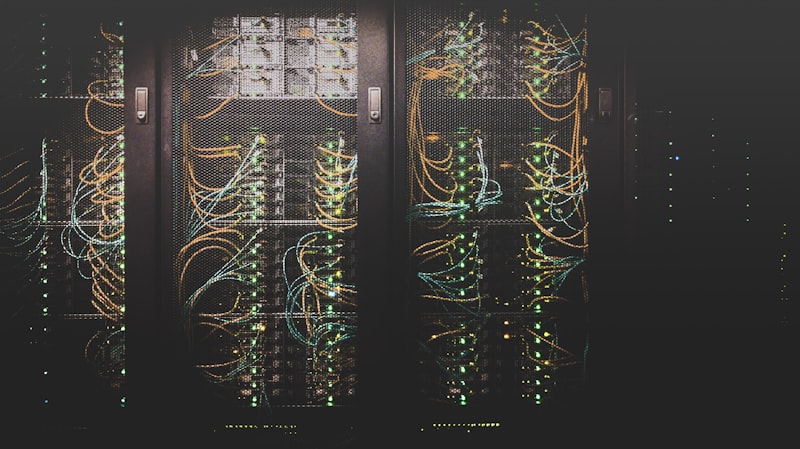
Data centres have significant, flexible electrical loads, but uptime requirements seem incompatible with demand response. How can you reduce load when every server must stay online 24/7?
The answer lies in understanding what “load reduction” really means for grid programs.
Beyond IT Load: Where Flexibility Lives
While compute loads are indeed sacred, data centres have substantial auxiliary loads that offer flexibility:
Backup Generation
Most data centres have diesel or natural gas generators for backup power. During grid emergencies, transferring to backup generation reduces your load on the grid while maintaining full operations.
Revenue potential: $100,000 – $500,000+ annually for large facilities
Cooling Optimization
Data centres maintain precise temperatures, but there’s usually a few degrees of acceptable range. Strategies include:
- Pre-cooling: Lower temperatures before events, then coast through
- Chiller staging: Temporarily reduce chiller capacity while maintaining airflow
- Economizer optimization: Maximize free cooling during events
Revenue potential: $20,000 – $100,000 annually
Lighting & Office Areas
Non-critical lighting in parking, office spaces, and common areas can be reduced during events.
Revenue potential: $5,000 – $20,000 annually
Protecting Your SLAs
We understand that no revenue opportunity is worth risking a service level agreement. Our approach includes:
Contractual protections: You always maintain full authority to opt out of any event that could impact operations.
Advance notice: Most programs provide hours to days of advance notice, allowing proper preparation.
Gradual participation: Start with generator-based participation only, then expand as you gain confidence.
Real-time monitoring: Our systems monitor both grid conditions and your facility, ensuring safe participation.
Case Study: Hyperscale Operator
A major hyperscale data centre operator in PJM territory enrolled 25 MW across three facilities:
Participation strategy:
- 20 MW from backup generation transfer
- 5 MW from cooling optimization
Results:
- Annual revenue: $2.1 million
- Events called: 8 (average 2 hours each)
- SLA impacts: Zero
- Uptime maintained: 100%
Common Questions
Q: Won’t running generators during events increase emissions?
A: Short-duration generator runtime (typically 10-20 hours/year) has minimal environmental impact. Moreover, you’re displacing the least efficient, highest-emitting peaker plants on the grid.
Q: What if an event is called during maintenance?
A: You can always decline participation. There are no penalties for operational conflicts reported in advance.
Q: How quickly do we need to respond?
A: Emergency programs may require 10-30 minute response. Economic programs typically provide day-ahead notice.
Getting Started
We specialize in data centre demand response programs that respect the unique requirements of mission-critical facilities. Schedule a consultation to explore opportunities for your portfolio.
Ready to Explore Your Energy Opportunities?
Our team can assess your facility's potential and develop a customized strategy.