
Rodan Energy 2025 Year in Review: How Large Power Users Earned Revenue by Supporting the Grid
Large power users earned revenue and avoided six-figure peak charges in 2025 by participating in demand response and capacity programs. Rodan Energy managed more than 365 grid events and more than 1.5 gigawatts of flexible capacity across industrial, commercial and institutional sites.
In 2025, many large power users stopped treating the grid as a one-way bill and started treating it as an income opportunity. Across Rodan Energy’s portfolio, industrial plants, data centers, universities, hospitals, real estate portfolios, power producers and utilities responded to more than 365 grid events with more than 1.5 gigawatts of flexible load and generation. When system operators and utilities called, these sites reduced or shifted demand, adjusted generation and were paid for helping keep the system stable, while avoiding peak charges that can run to hundreds of thousands of dollars a year per site.
This is a look at what actually happened in 2025 for those users, and what it means if you manage a large power bill in Ontario, Alberta, British Columbia, PJM or NYISO going into 2026.
The Grid Called Often. Prepared Sites Got Paid.
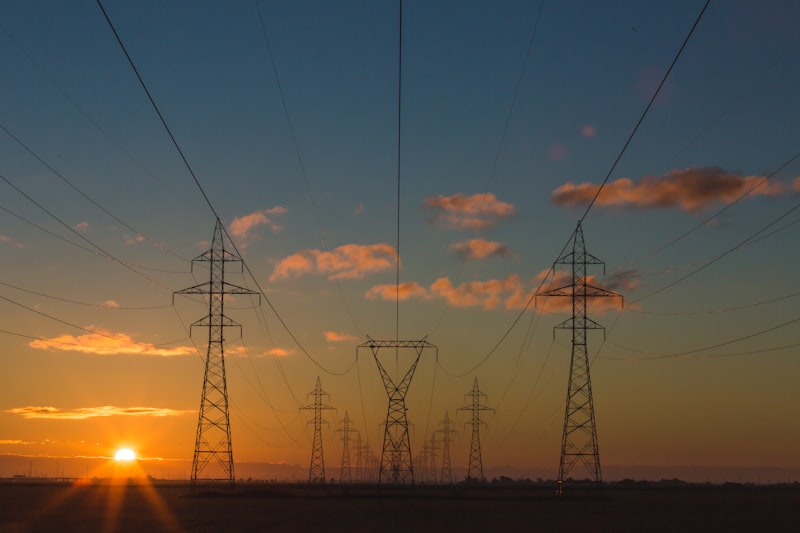
Grid events were a fact of life in 2025. Heat waves, cold snaps, maintenance and unexpected outages pushed system conditions to the edge in different markets throughout the year.
For sites that were enrolled in demand response or capacity programs and had clear playbooks, these events turned into planned actions and program revenue that supported grid reliability. They received notice in time to act, followed pre-agreed curtailment plans that respected production and safety limits and saw the impact later in their statements and settlements. Rodan designs these load flexibility plans around operating limits and program rules so customers can respond when the system calls events in a way that fits their constraints.
For sites that were not enrolled or were still sorting out metering and communications, the same tight days showed up mainly as higher charges and more stress, with no offsetting income. The conditions were the same. The difference was readiness and program participation.
Scale Turned Flexibility Into a Dependable Income Line
By the end of 2025, Rodan was managing more than 1.5 gigawatts of flexible capacity across its customers. That total came from large industrial loads, commercial and institutional portfolios, behind-the-meter generation, storage and utility or producer assets that could respond within program rules.
That scale mattered for two reasons:
- It allowed Rodan to present reliable blocks of capacity in auctions and programs that expect proven performance
- It gave customers confidence that their sites were part of a portfolio that had been tested over many events, not an isolated trial
For a typical large user, that translated into steadier program payments, better matching of dispatch instructions to real operating limits and a higher chance that each event would feel routine rather than disruptive, while helping the broader grid stay reliable.
Field Work and Market Work on One Bench
Many grid revenue projects stall on basic plumbing. Meters may be missing or not approved. Communications may not meet market standards. Controls may be in place but not yet trusted for real events.
In 2025, Rodan completed the integration of Measurement Experts Inc. into the same company that runs market operations. That meant the teams that design and install metering and SCADA now sit next to the teams that enroll sites, manage dispatch and handle settlement.
For customers, that shortened the gap between signing a project and seeing the first payment. It also reduced finger pointing. If a meter, RTU or communications link needed work, there was one group to call and a clear reason to fix it quickly, because it tied directly to program earnings and avoided charges.
Better Data, Fewer Surprises
Accurate interval data was a quiet but important part of 2025.
Utilities and large users that expanded advanced metering and data services saw where they were truly exposed to peaks, which loads could move without hurting operations and where they were leaving money on the table by not participating in programs.
Instead of making decisions on monthly bill averages or rough estimates, energy and operations teams had clear profiles. They could see that a line, a chiller, a bank of freezers or a data hall had room to move during critical hours without putting service or production at risk.
Utilities used the same data to shape rates and programs that aligned better with how their customers actually use power. That, in turn, opened more paths for customers to get paid for the flexibility they already had, while improving system efficiency.
MarketIQ™ Put a Price on Each Choice
Information only helps if it arrives in time and in a form that guides action.
Rodan launched MarketIQ™ in 2025 to pull market conditions, grid signals and site-level exposure into one place. MarketIQ™ builds on Rodan’s existing market information capabilities and puts system conditions, price signals and site-level exposure in one place for decision-makers.
Energy and operations leads could see when peaks were likely, how today’s conditions compared with last year’s bill impact and what different responses would mean in dollars. On tight days, MarketIQ™ helped teams decide whether to adjust production, start generation, run storage or hold steady. It showed expected effects on demand charges, Global Adjustment exposure in Ontario and program settlements in markets such as PJM and NYISO.
The intent was simple: turn grid noise into a small set of clear choices, each with a price tag.
What This Means for 2026
The pressures that defined 2025 are not going away. Capacity needs are still rising. Weather remains unpredictable. Rules and penalties in many programs are tightening, not loosening.
For large power users, 2026 does not have to be just another year of higher bills. The same conditions that stressed the grid in 2025 created real income and cost avoidance for organizations that were ready. Participating in these programs positions large power users as good corporate citizens who support grid reliability and practice responsible energy management.
Looking ahead, three points stand out:
1. If you already saw more grid alerts and higher charges in 2025
You are facing the right conditions for demand response, capacity participation and peak management.
2. If you had metering delays, incomplete data or internal friction between energy and operations teams
That is fixable, and every month you wait is a month of potential income lost.
3. If you are in a program today but treat it as an afterthought
There is a good chance your sites could be earning more or avoiding more, with the same equipment and people.
The year is new. The conditions are not. The question is whether 2026 will be a repeat of 2025, or whether you start treating grid support as an income opportunity instead of a distraction.
Check If You Left 2025 Grid Money on the Table
If you manage a large power bill and suspect you did not get your share of 2025 grid revenue, there is a simple first step.
Take your top few sites and pull three pieces of information:
- Recent interval load
- Current tariffs
- Any demand response or capacity programs you are already in
Share that with Rodan.
From that, Rodan can estimate what demand response events, capacity payments and peak charge savings could look like for you in a typical year based on what actually happened across more than 365 grid events and more than 1.5 gigawatts of flexible capacity in 2025. You will see whether there was little on the table or whether you left real money there.
If the answer is “not much,” you gain clarity. If the answer is “a lot,” you have a clear plan for 2026.
You can start that review from the plant floor, from a corporate energy office or from a utility account team. The important part is starting it.
Check if you left 2025 grid money on the table
Start your 2026 review now and see what you could earn.
Frequently Asked Questions
Rodan supports customers across major North American markets including IESO (Ontario), AESO (Alberta), PJM (Mid-Atlantic and Midwest), NYISO (New York), and MISO (Central U.S.). Each market has unique programs where you can support grid reliability while receiving compensation.
We monitor ISO market conditions across IESO (Ontario), NYISO (New York), PJM, MISO, and AESO (Alberta). This includes tracking pricing signals, system alerts, and capacity activation notices.
We build a load flexibility strategy around your operating constraints. You define the parameters. Events follow your pre-agreed plan that respects your operating limits. Common strategies include adjusting HVAC setpoints, shifting production schedules, or leveraging on-site generation.
We design load flexibility plans around your operational parameters. Events follow a pre-agreed plan that respects your constraints, minimizing impact on comfort or productivity.
Ready to Explore Your Energy Opportunities?
Our team can assess your facility's potential and develop a customized strategy.