Who it's for
GridOps is built for utilities, power producers, developers and large facilities that need reliable grid connectivity and metering infrastructure.
- Energy Manager
- Energy Procurement
- Operations Lead


GridOps is Rodan’s grid integration service. It combines revenue metering, telemetry integration and power systems engineering so facilities and energy assets can communicate with system operators and participate in electricity market programs.
Rodan has been delivering power systems engineering and metering solutions since 1999.
GridOps is built for utilities, power producers, developers and large facilities that need reliable grid connectivity and metering infrastructure.
Integrated revenue metering, telemetry and power systems engineering that gets your assets connected to electricity markets and keeps them compliant. Rodan handles design, installation, registration and ongoing maintenance as a single provider, so you’re not coordinating between metering vendors, engineering firms and system operators.
Electricity market participation requires accurate metering, reliable telemetry and compliant control systems. GridOps delivers all three through a coordinated engineering and installation model.
Design, install and maintain ISO-compliant revenue metering systems required for market settlement and program participation.
Connect facility control systems to grid operator communication networks so asset data flows accurately to system operators.
Integrate SCADA and operational control systems with dispatch and monitoring platforms used by ISOs and market operators.
Prepare and submit the metering and technical documentation required to register assets with electricity market operators.
Manage the full engineering scope for grid-connected assets, from protection and control design through commissioning.
Maintain metering accuracy, calibration schedules and communication system performance for continued market eligibility.
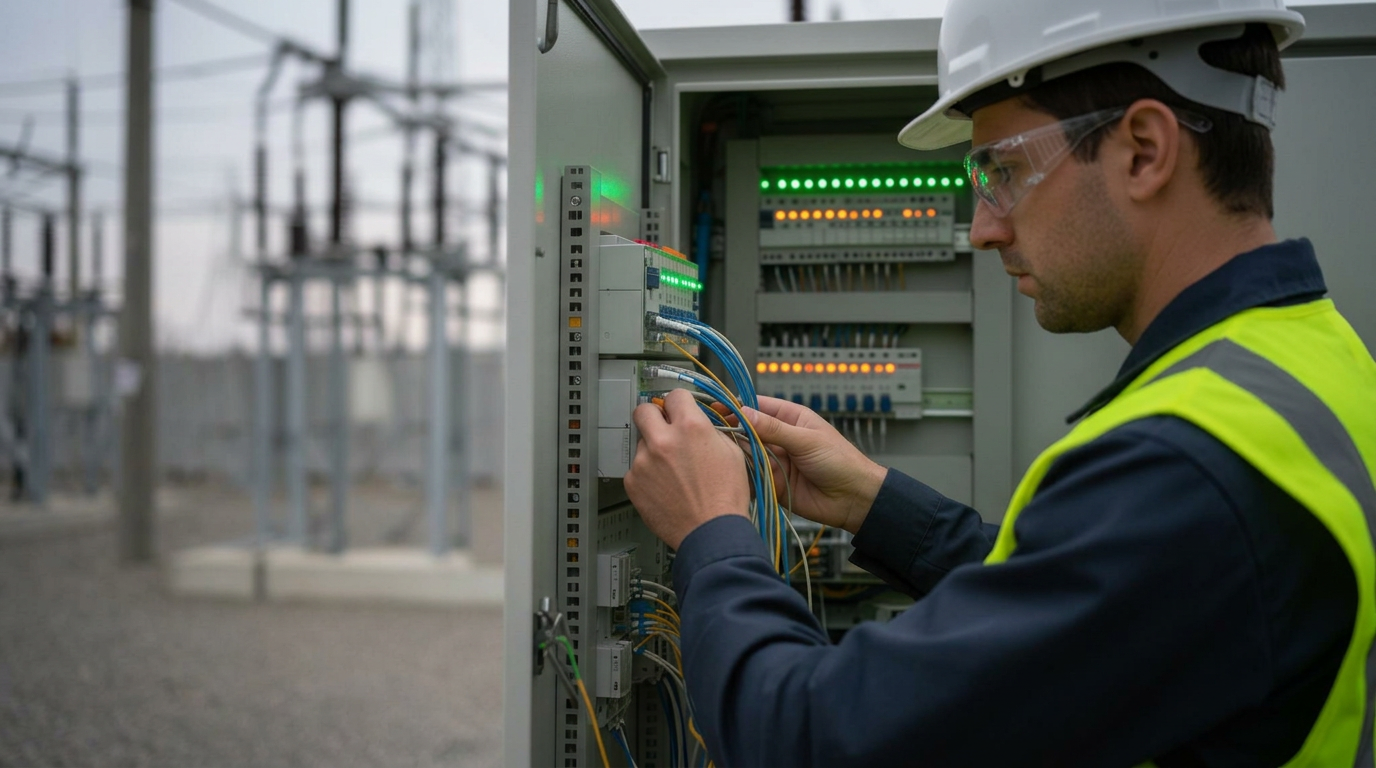
Integrate energy assets with ISO communication systems, revenue metering networks and market operator platforms.
Monitor communication systems to ensure accurate, continuous data transmission to system operators.
Keep metering and telemetry infrastructure aligned with evolving market rules and registration requirements.
GridOps coordinates the metering, controls and telemetry work required to move energy assets from commissioning to active market participation. One engineering team, one registration process, one partner responsible for keeping it all connected.
See the full picture
Make confident decisions
Whether you’re managing compliance, validating settlements or maintaining grid infrastructure, GridOps™ has the engineering support you need.
Confirm that your facility's metering and telemetry infrastructure meets current market requirements without managing vendor relationships directly.
Verify that revenue metering accuracy supports correct settlement calculations, so disputes don't erode your program revenue.
Maintain the grid-connected infrastructure that keeps your assets communicating with system operators, without becoming a telemetry specialist.
Explore other ways to maximize your energy assets with Rodan.
Earn program revenue from curtailable load with full enrollment, coordination and settlement management.
Reduce demand charges and capture grid-linked revenue from battery assets with managed dispatch and optimization.
Aggregate assets across your portfolio into a single market-facing resource.
Facilities participate in demand side management programs by adjusting electricity consumption during specific grid events or peak demand periods. These adjustments may include temporarily reducing equipment usage, shifting operations or relying on backup energy resources.
To participate effectively, facilities must be able to communicate with electricity market operators and demonstrate how their energy consumption changes during these events. This typically requires revenue-grade metering and telemetry systems capable of transmitting operational data to the grid operator.
GridOps™ provides the infrastructure necessary to support this communication. By integrating metering systems, telemetry networks and control platforms, Rodan ensures that participating facilities can respond to grid signals reliably.
Facilities participating in demand side management programs often also enroll in demand response programs to earn revenue for reducing electricity demand. Operational performance across facilities can be monitored through FacilityIQ™, while financial outcomes can be validated using SettlementIQ™.
This combination of operational coordination and infrastructure support helps facilities participate successfully in demand side management initiatives.
Getting started with demand side management begins with evaluating a facility’s electricity consumption patterns and identifying opportunities to adjust energy use during peak demand periods. Organizations typically review historical load data to determine how their operations interact with electricity market conditions.
Rodan works with organizations to determine whether their facilities are suitable candidates for demand side management programs. If participation is feasible, the next step involves installing the metering and telemetry infrastructure required to communicate with electricity market operators.
GridOps™ provides the engineering and integration services needed to prepare facilities for this participation. Once the infrastructure is installed, organizations can enroll in programs such as demand response programs.
Operational performance across facilities can be monitored using FacilityIQ™, while billing outcomes and program payments may be verified through SettlementIQ™.
With the right infrastructure and operational support, organizations can successfully participate in demand side management initiatives.
Demand side management can reduce electricity costs by lowering the amount of electricity consumed during peak demand periods. Many electricity markets calculate charges based on a facility’s demand during these peak moments, which can significantly affect annual energy costs.
By reducing consumption during these periods, facilities can lower demand charges and avoid expensive capacity-related costs. Demand side management programs also allow organizations to earn payments for helping the grid maintain balance during periods of high demand.
GridOps™ enables facilities to participate in these programs by ensuring that their metering and telemetry infrastructure meets market requirements. This allows grid operators to measure performance and confirm participation.
Facilities often combine demand side management with demand response programs to generate additional revenue. Operational performance during events can be monitored using FacilityIQ™, while financial results can be validated using SettlementIQ™.
Demand side management ultimately helps organizations control energy costs while supporting grid reliability.
Telemetry systems transmit operational data between energy assets and electricity market operators. In demand side management programs, telemetry allows system operators to monitor electricity consumption and verify that facilities respond to dispatch signals during grid events.
This communication occurs in near real time, allowing grid operators to observe how electricity demand changes during system stress conditions. Without telemetry, operators would not be able to confirm whether participating facilities actually reduced demand.
GridOps™ integrates telemetry systems with facility infrastructure so energy assets can communicate reliably with system operators. These systems connect meters, control platforms and monitoring tools into a single communication framework.
Facilities participating in demand side management often combine telemetry with energy demand management strategies and demand response programs. Operational performance can then be tracked through FacilityIQ™.
Telemetry ensures that electricity market operators have accurate information about how facilities respond to grid conditions.
GridOps™ supports demand side management projects by providing the technical infrastructure required for electricity market participation. This includes engineering design, revenue metering installation, telemetry integration and control system connectivity.
Instead of coordinating multiple vendors for these services, organizations can rely on GridOps™ as a single integrated solution. Rodan manages the engineering and operational requirements necessary for connecting energy assets to electricity markets.
This integrated approach helps reduce project complexity and ensures that facilities meet regulatory requirements for market participation. Once assets are connected, GridOps™ also supports ongoing monitoring and maintenance of metering and communication systems.
Facilities participating in demand side management often also rely on energy demand management strategies and demand response programs. Operational performance across facilities can be monitored through FacilityIQ™.
GridOps™ helps ensure that demand side management infrastructure operates reliably throughout the lifecycle of the project.
Demand side management programs require several technical components to ensure that facilities can communicate with grid operators and demonstrate performance during events. The most important elements include revenue metering, telemetry systems and control system integration.
Revenue metering measures electricity consumption or generation at a level of accuracy required for financial settlement. Telemetry systems transmit this data to grid operators in real time, allowing them to monitor system conditions and verify facility performance.
GridOps™ integrates these systems so that facilities and energy assets can participate reliably in electricity markets. Rodan coordinates engineering design, installation and integration to ensure that infrastructure meets the requirements of system operators.
Facilities that deploy distributed energy resources may also combine grid integration with energy storage system optimization strategies. Site-level operational performance can be monitored through FacilityIQ™, while settlement results may be verified using SettlementIQ™.
Reliable infrastructure ensures that demand side management programs operate accurately and efficiently.
Demand side management refers to programs and technologies used to influence how electricity consumers use energy so the grid remains balanced and reliable. Instead of relying only on new generation capacity, demand side management allows grid operators to reduce or shift electricity consumption during periods of high demand.
Large commercial and industrial facilities often participate in demand side management by reducing electricity use during grid events or adjusting operations to avoid peak demand periods. These actions help maintain grid reliability while also reducing electricity costs.
GridOps™ supports demand side management by providing the infrastructure required for facilities and energy assets to participate in electricity markets. This includes revenue metering, telemetry systems and control system integration that allow assets to communicate with system operators.
Facilities participating in demand response programs often rely on accurate metering and telemetry to verify their performance. Operational visibility across facilities can be supported by FacilityIQ™, while settlement validation can be performed using SettlementIQ™.
Demand side management ultimately allows energy consumers to become active participants in maintaining grid stability.
Revenue metering is the specialized measurement of electricity consumption or generation used for financial settlement in electricity markets. Unlike standard building meters, revenue meters must meet strict regulatory accuracy standards because they determine how electricity costs and payments are calculated.
In demand side management programs, revenue meters measure how much electricity a facility consumes before, during and after grid events. This data allows system operators to verify whether a facility successfully reduced demand when requested.
GridOps™ supports revenue metering by designing and installing compliant metering systems that meet electricity market standards. Rodan also provides ongoing maintenance and verification services to ensure that meters remain accurate.
Facilities using revenue metering often combine this infrastructure with operational monitoring tools such as FacilityIQ™. When electricity billing or program payments must be verified, SettlementIQ™ can help validate settlement calculations.
Accurate revenue metering is essential for organizations participating in electricity markets or grid programs.
Demand side management strategies are commonly implemented by utilities, power producers and large commercial or industrial energy users. These organizations often operate facilities that consume significant amounts of electricity and can adjust their operations during grid events.
Industrial manufacturers, data centers, municipalities and infrastructure operators frequently participate in demand side management programs because they have the ability to reduce or shift electricity usage when necessary. By doing so, they help maintain grid stability while potentially earning revenue or reducing electricity costs.
GridOps™ supports these organizations by providing the engineering infrastructure required for electricity market participation. This includes metering installation, telemetry integration and grid communication systems.
Organizations that deploy distributed energy assets may also combine demand side management with energy storage system strategies. Facility performance across multiple locations can be monitored using FacilityIQ™.
Demand side management programs enable large energy users to play an active role in maintaining grid reliability.
Electricity demand changes constantly throughout the day, and grid operators must maintain a balance between electricity supply and demand at all times. Demand side management helps achieve this balance by encouraging or enabling energy consumers to adjust their consumption during periods of grid stress.
Without demand side management, utilities would need to build additional generation capacity to handle peak demand periods that may only occur a few hours each year. By reducing demand during those peaks, electricity markets can operate more efficiently and avoid unnecessary infrastructure investment.
GridOps™ helps enable demand side management by ensuring that facilities and energy assets are properly connected to electricity markets through telemetry and revenue metering infrastructure. This communication allows grid operators to verify facility performance and coordinate demand response events.
Organizations participating in these programs often combine demand side management with energy demand management strategies and demand response programs. Facility performance during these events can be tracked through FacilityIQ™.
Demand side management plays a key role in improving grid reliability and lowering overall electricity system costs.
Still have questions? Contact our team